Sound Before Speech: An Audio Identity Audit for UK Service Brands
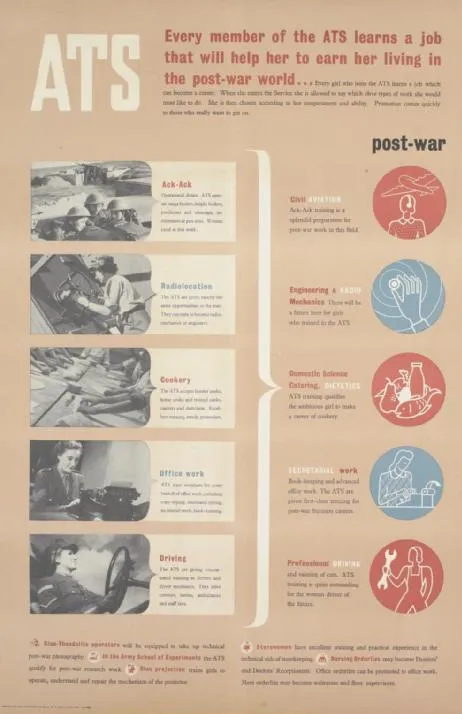
Photo: Unknown (artist), Auxiliary Territorial Service (publisher/sponsor), W R Royle and Son Ltd, London EC4 (printer), Her Majesty's Stationery Office (publisher/sponsor), Public domain, via Wikimedia Commons
The brand moment before the conversation
Most UK service businesses audit their logo, website and stationery long before they consider the sounds customers hear on the telephone. Yet the first brand impression for a caller is frequently a stretch of hold music, a recorded menu or a voicemail greeting. These moments are brief, but they are repeated thousands of times and they arrive when the customer is already waiting, often with a specific need. In 2026, the telephone remains a primary channel for professional services, maintenance firms, clinics, agencies and membership organisations. Audio therefore deserves a place in the brand audit alongside typography, colour and tone of voice.
The purpose of an audio identity audit is not to turn every business into a radio station. It is to establish whether the sounds a customer encounters are clear, consistent and appropriate to the promise the brand makes elsewhere. At MJ Design Studio, we treat audio as part of brand infrastructure: modest in isolation, cumulative in effect.
Begin with a listening diary
A useful audit starts with evidence rather than taste. Over one working week, list every audio touchpoint a customer may encounter. This typically includes the main switchboard hold sequence, interactive voice response menus, out-of-hours messages, voicemail greetings, call-back confirmations, appointment reminders and any audio used in online waiting rooms or webinars. For businesses with premises, add on-site announcements and background audio where relevant.
Record each touchpoint, with the necessary permissions, and listen back through a telephone speaker, a headset and a speakerphone. Note the duration of each message, the volume relative to the spoken voice, the clarity of the wording, the style of any music and the ease of reaching a human being. A simple spreadsheet is sufficient. The aim is to capture the actual experience, not the intended one.
Four tests for every audio touchpoint
First, test intelligibility. Can a caller understand the words on the first hearing, without straining? Second, test pacing. Are messages short enough to be useful, or do they repeat information the caller already has? Third, test consistency. Does the voice, music and wording sound like the same organisation across the main line, the voicemail and the website? Fourth, test the exit. Is there always a clear route to a person, and is that route stated early enough?
These tests matter because audio is unforgiving. A visual layout can be scanned; a recorded menu must be understood in sequence. Poor telephone audio creates friction that customers rarely report but frequently remember.
Licensing is part of the brief
Music on hold is not the same as music in a personal playlist. UK businesses need to understand the licence attached to any track used on a telephone system, including production music libraries and commercial recordings. Public performance and reproduction rights may be relevant, and the terms for telephone use can differ from those for websites or social media. A track that is cleared for a promotional video may not be cleared for an IVR system.
Before commissioning or selecting music, confirm the permitted use, territory, term and media. Keep the licence certificate with the brand assets. Avoid the common shortcut of playing a streaming service through a handset; it is rarely appropriate and may breach terms. Where a composer or sound designer is engaged, the contract should state clearly that the finished audio may be used across the organisation’s telephone systems, website and related communications for an agreed period.
Accessibility and the human route
Audio branding should not become an accessibility barrier. IVR menus should be concise, offer repetition and provide an early option to speak to a person. Volume should be normalised so that callers do not have to adjust their handset between the music and the spoken voice. High-pitched beeps and densely layered music can be difficult for callers with hearing loss or auditory processing difficulties.
For audio used online, provide a transcript or text alternative. For telephone messages, test with colleagues who are less familiar with the business and with customers who use hearing aids or speakerphones. Accessibility is not a specialist add-on; it is a basic quality check.
Briefing a composer or sound designer
A modest budget does not require a major-label production. It does require a clear brief. Set out the purpose of the audio, the audience, the context in which it will be heard, the required durations and the desired mood. Specify what to avoid as well as what to pursue. Ask for a short sonic cue, a loopable hold sequence and a voice recording specification if appropriate. Request files in common formats and confirm how edits will be made when the phone system changes.
For smaller firms, a production music library may be sufficient if the licence is suitable and the track is distinctive enough to avoid sounding generic. For firms with a more established identity, a commissioned cue of ten to twenty seconds can be reused across hold music, voicemail and online waiting rooms. The brief should include deliverables, rights, exclusivity, handover and a review period. It should also state who will approve the final audio and how future updates will be managed.
A sensible starting point
Begin with the main telephone line and the voicemail greeting. These two touchpoints affect most callers and are usually the easiest to change. Remove unnecessary messages, shorten the menu, improve the audio quality and make the human route obvious. Then review the remaining touchpoints against the same standard.
Audio identity is not about filling silence. It is about ensuring that the sounds a customer hears before they speak to a person are deliberate, legible and consistent with the brand. A small, well-briefed audio audit can achieve more than an expensive soundtrack applied without judgement.